The context
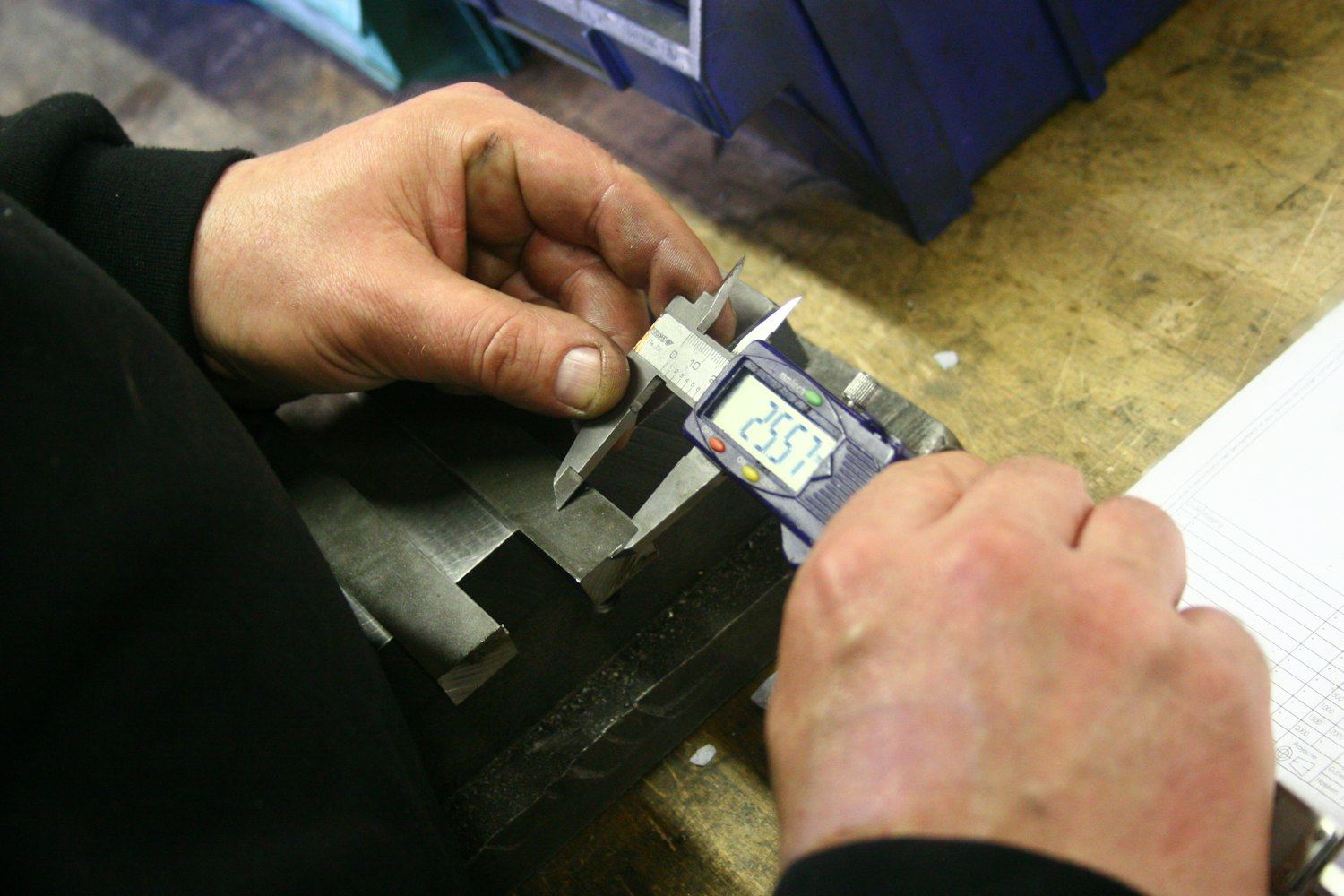
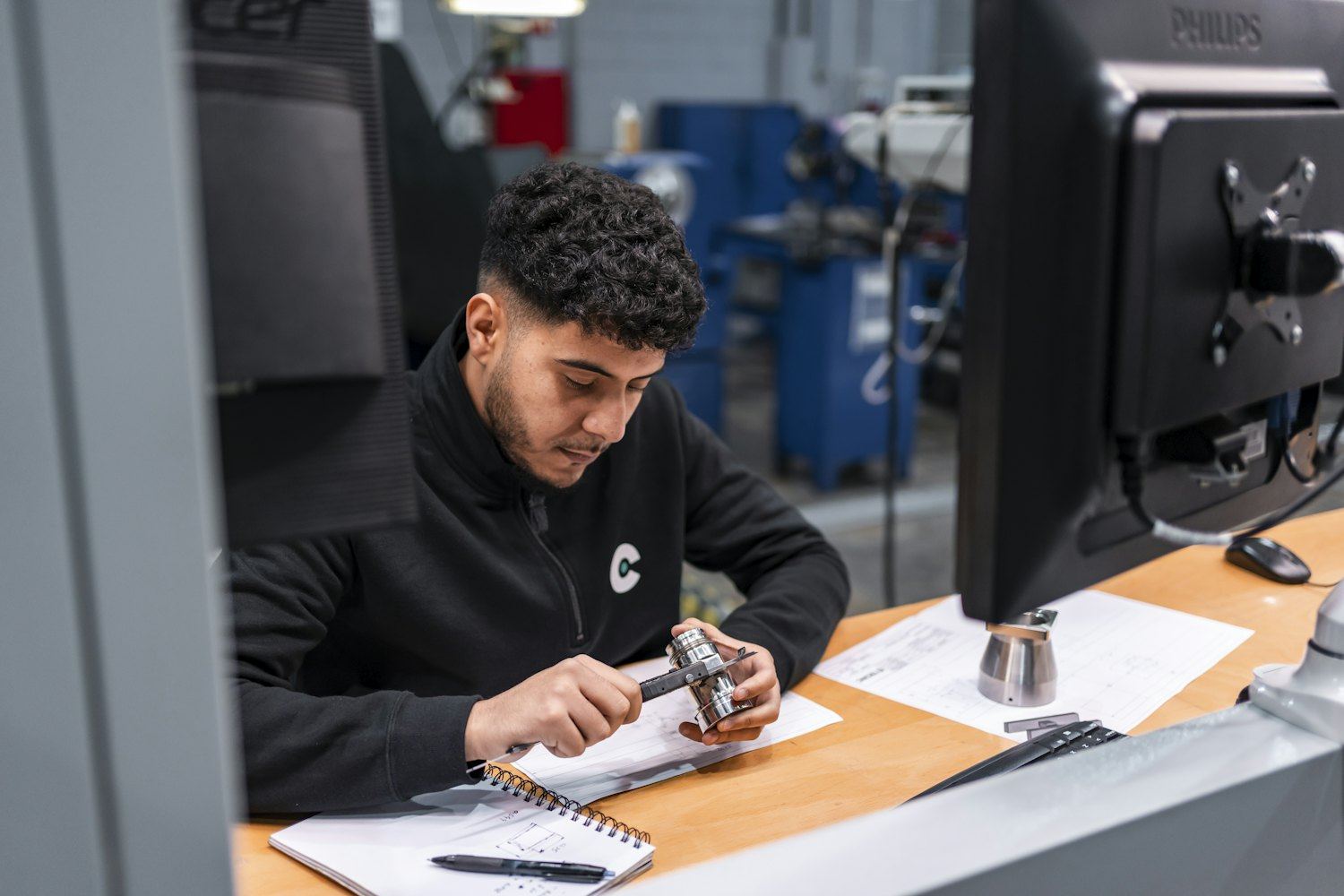
Manual inspection is slow, tiring and inconsistent — and every missed defect is a potential customer complaint. The manufacturer wanted an automated system that could inspect at line speed and catch defects reliably.
What was holding them back
Visual checks were slow and varied from inspector to inspector.
Faulty products occasionally reached customers.
Inspection became a bottleneck on the line.
Little insight into which defects occurred, and why.
What they set out to achieve
- Inspect every product automatically, in real time
- Identify defects more accurately than manual checks
- Sort defective items without manual handling
- Capture quality data for root-cause analysis
What we built
High-resolution imaging
Cameras capture detailed images of every product on the line.
OpenCV image processing
Algorithms enhance images and isolate surface and shape defects.
Cloud-trained ML models
Models trained in the cloud classify defects with high accuracy.
Real-time analysis
Each item is assessed as it passes, at production speed.
Automated sorting
Defective items are diverted automatically.
Quality insights
Defect data feeds dashboards for continuous improvement.
The results
- Significantly more accurate defect identification
- Fewer defects reaching customers
- Reduced downtime and data-driven insight into quality issues