The context
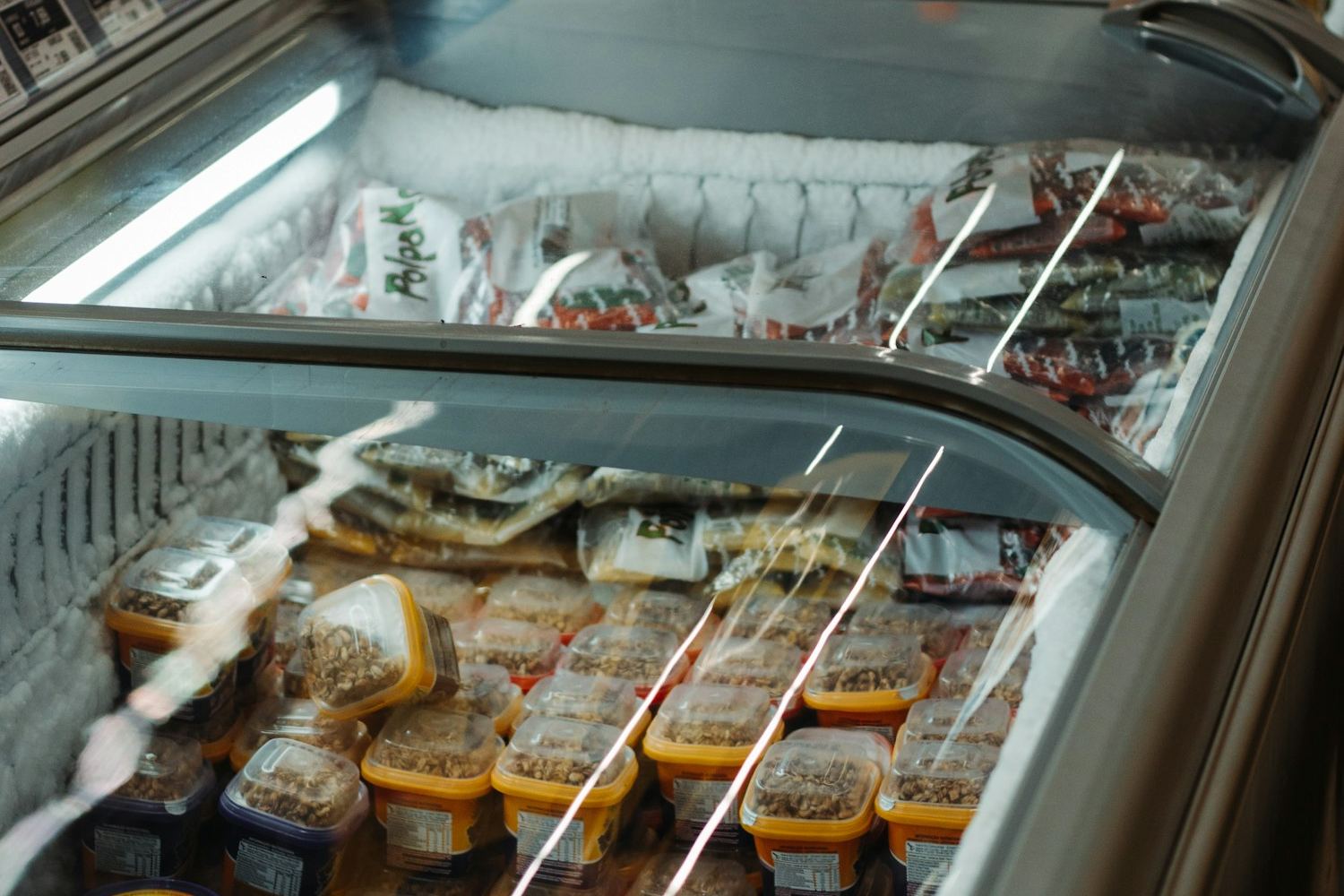
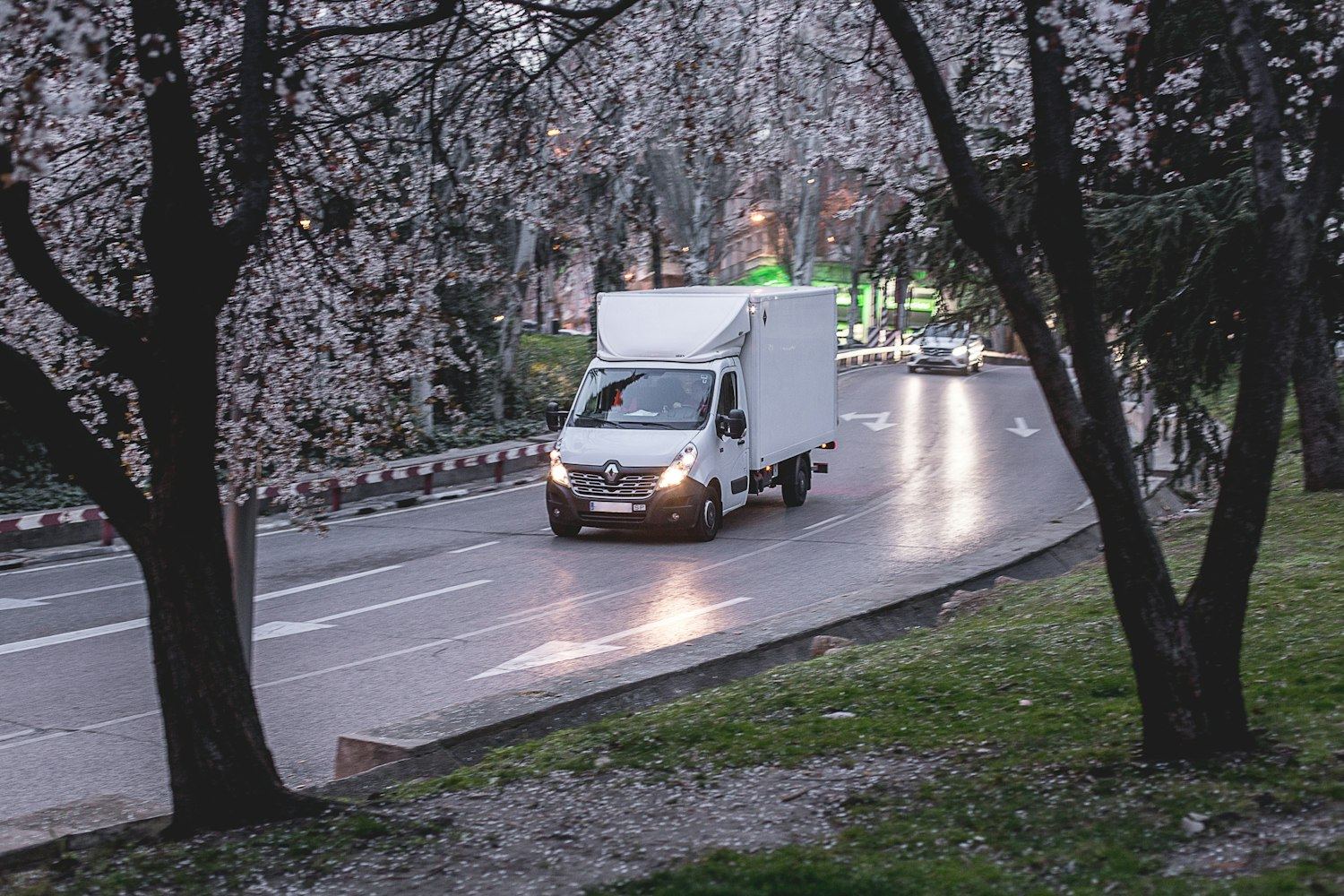
A frozen-food brand places its own freezers in hundreds of retail stores. Each freezer is both a sales point and a valuable asset — but with no live view of stock or condition, replenishment ran on fixed schedules and guesswork. Some freezers ran empty while others were overstocked, and delivery vans criss-crossed the city inefficiently.
What was holding them back
No way to see what was left in each store's freezer until a sales rep visited.
Fixed replenishment led to empty freezers in busy stores and excess, ageing stock in slow ones.
Temperature failures and door-open events went unnoticed, risking product quality.
Static routes ignored actual demand, wasting fuel and driver time.
Little insight into whether freezers were working, powered on or even in the right store.
What they set out to achieve
- Real-time stock and temperature data from every freezer
- Accurate demand forecasts for each store and product
- Replenishment driven by forecast demand, not fixed schedules
- Optimised daily delivery routes
- Full visibility and health monitoring of freezer assets
What we built
IoT-connected freezers
Sensors track temperature, door openings, power and compressor health in every freezer.
Inventory tracking
Stock levels in each freezer are captured and updated in real time.
Store-level AI forecasting
Machine-learning models forecast demand for every store and product, factoring in seasonality, weather and local events.
Smart replenishment
Forecasts and live stock generate suggested orders for each store automatically.
Route optimisation
Daily delivery routes are planned around replenishment needs, store windows and van capacity.
Alerts & dashboards
Instant alerts for temperature breaches or faults, with a live map of every freezer, store and van.
The results
- Replenishment matched to each store's actual demand
- Sales and field teams focus on stores that need attention
- Freezer assets monitored and maintained before they fail